
The Mill
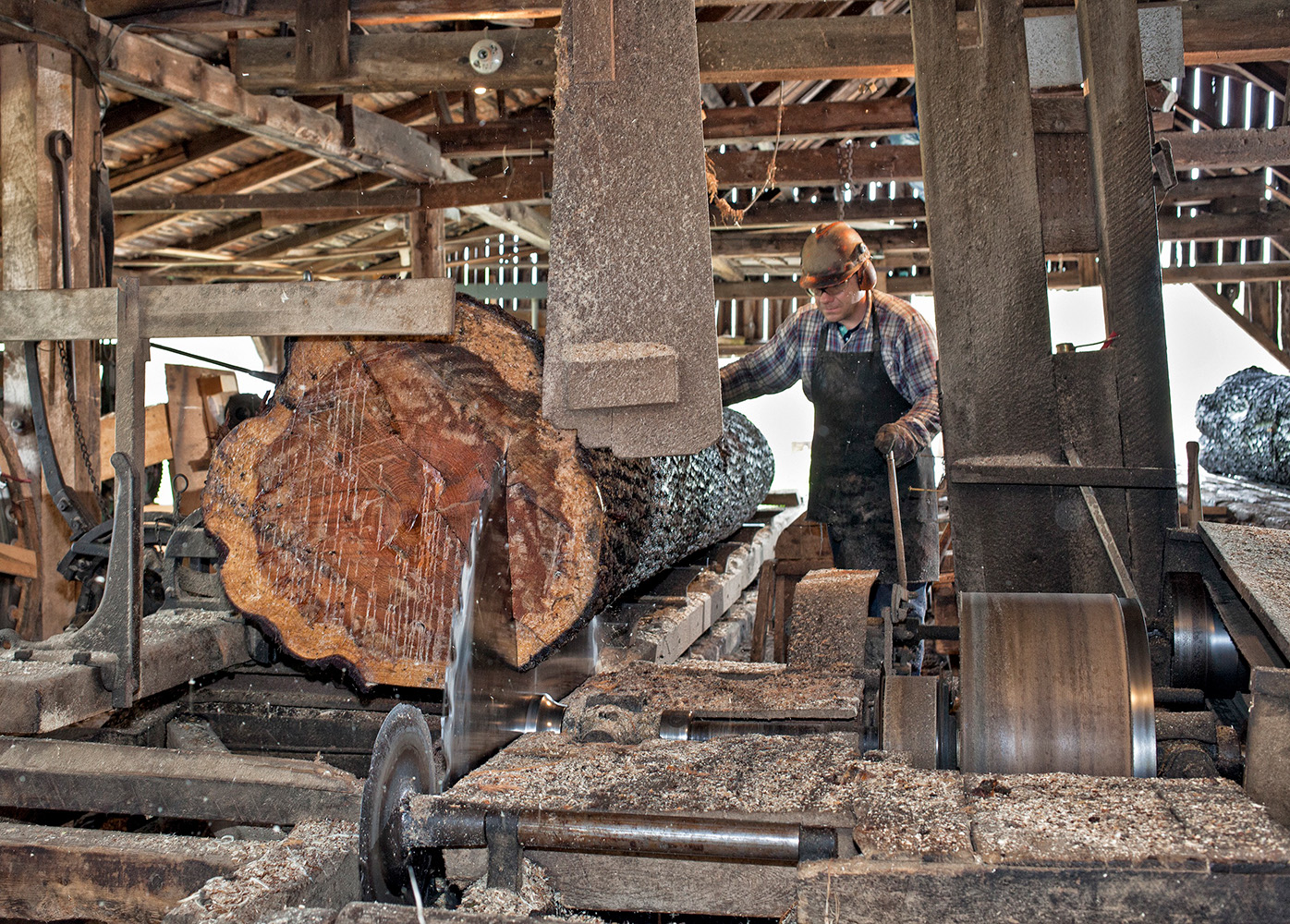
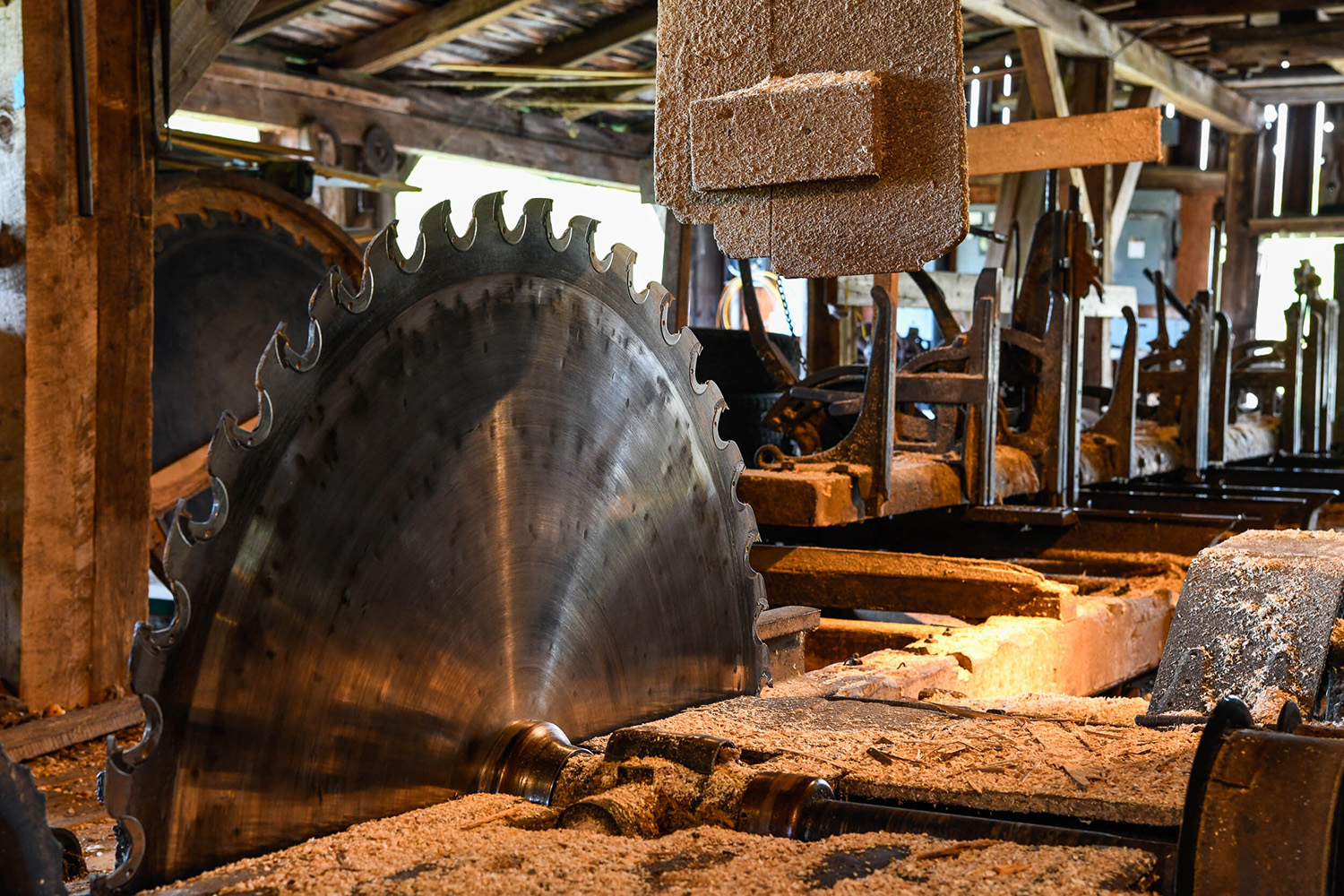
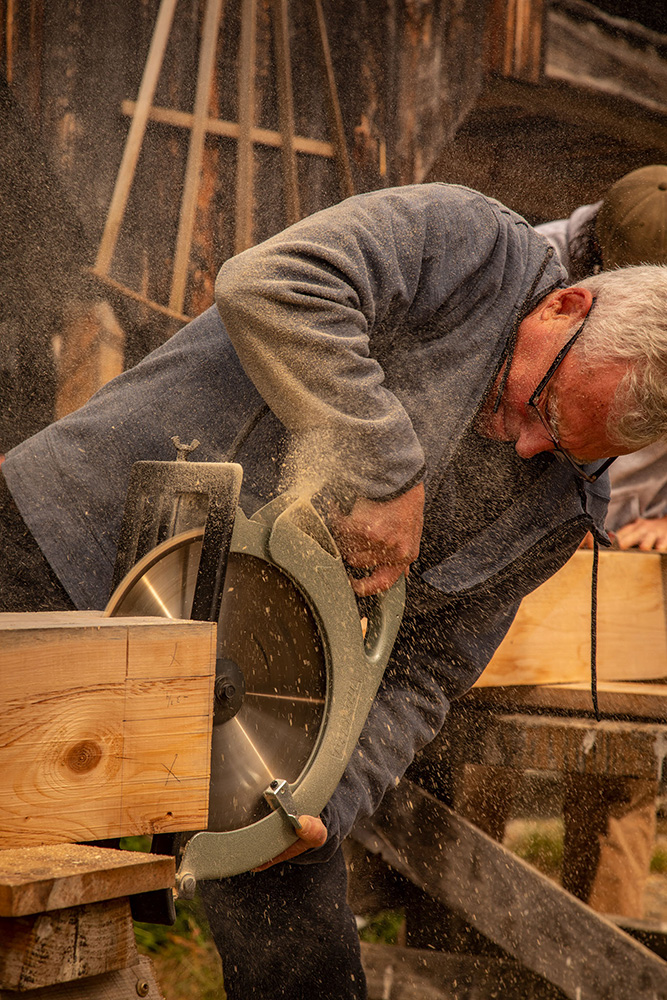
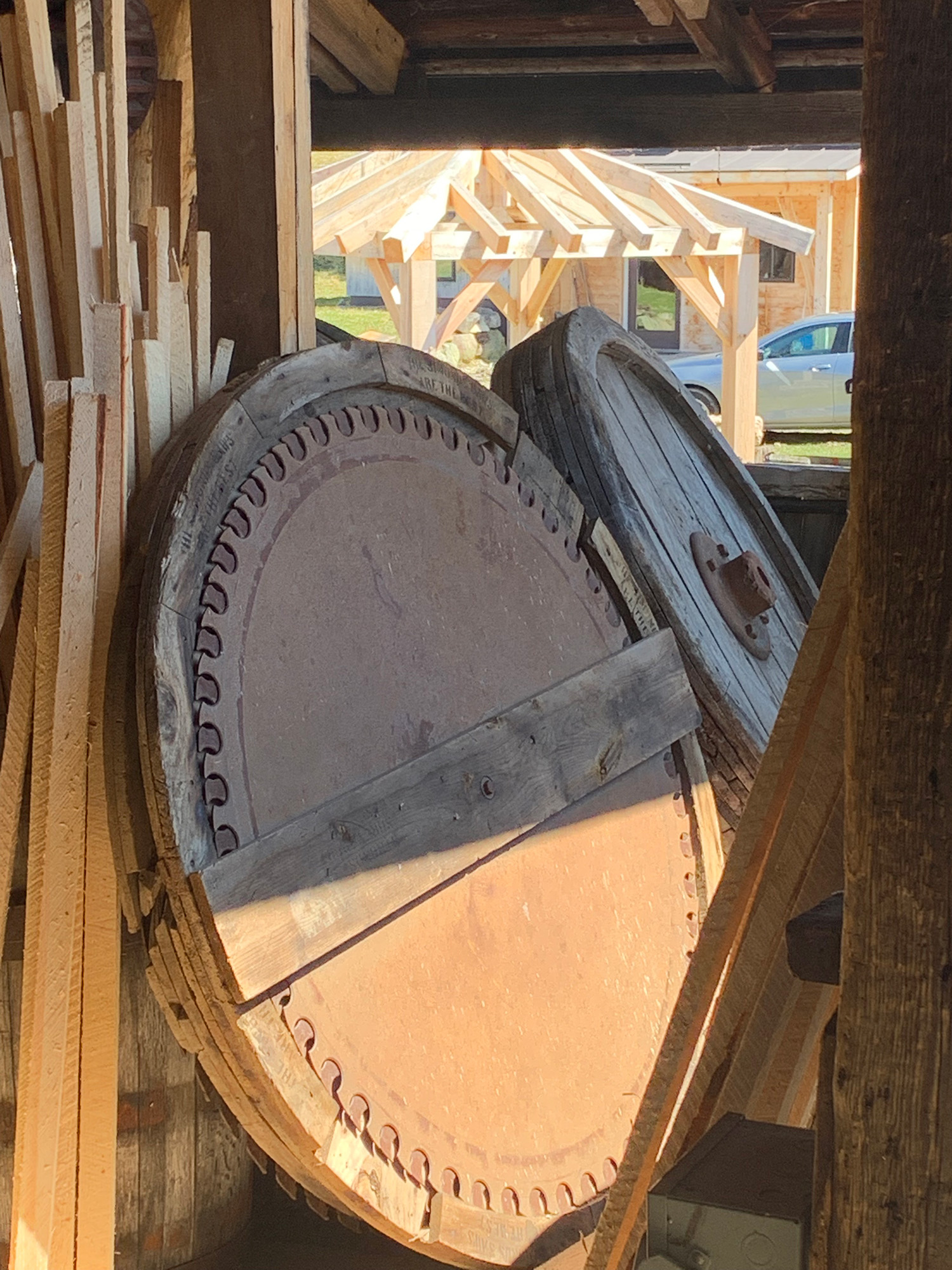
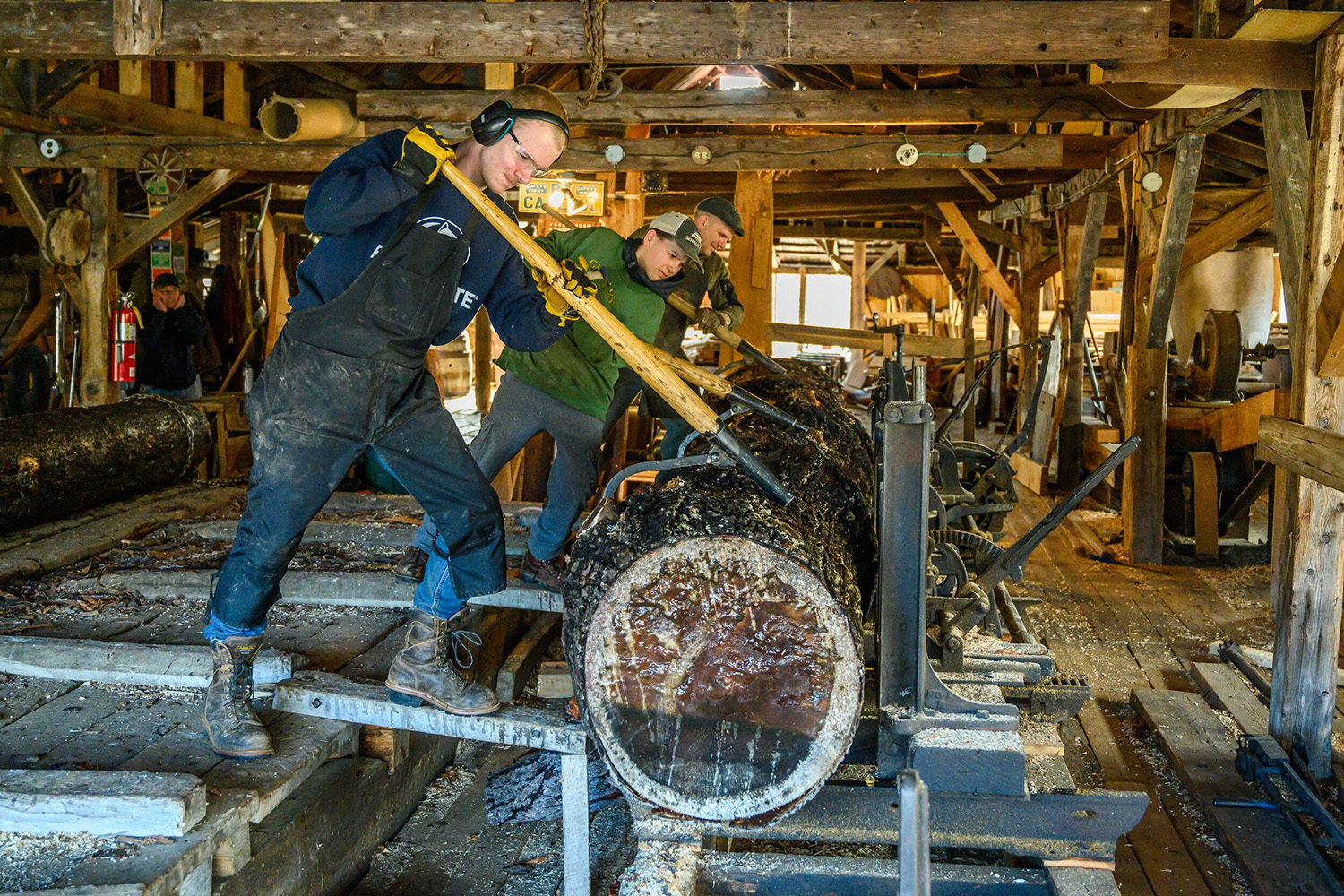
As the 9-ft.-long yellow birch lever is pulled down, there’s a sound of water surging through the penstock into the wheel pit. Then a few thumps and knocks and the straining of belts. The board saw advances weakly and the edger stutters, then springs to life. As more water drives across the canted fins of the turbine the mass of iron spins faster, and the floor, in fact the whole building, begins to rumble and shake. The mill comes to life again.
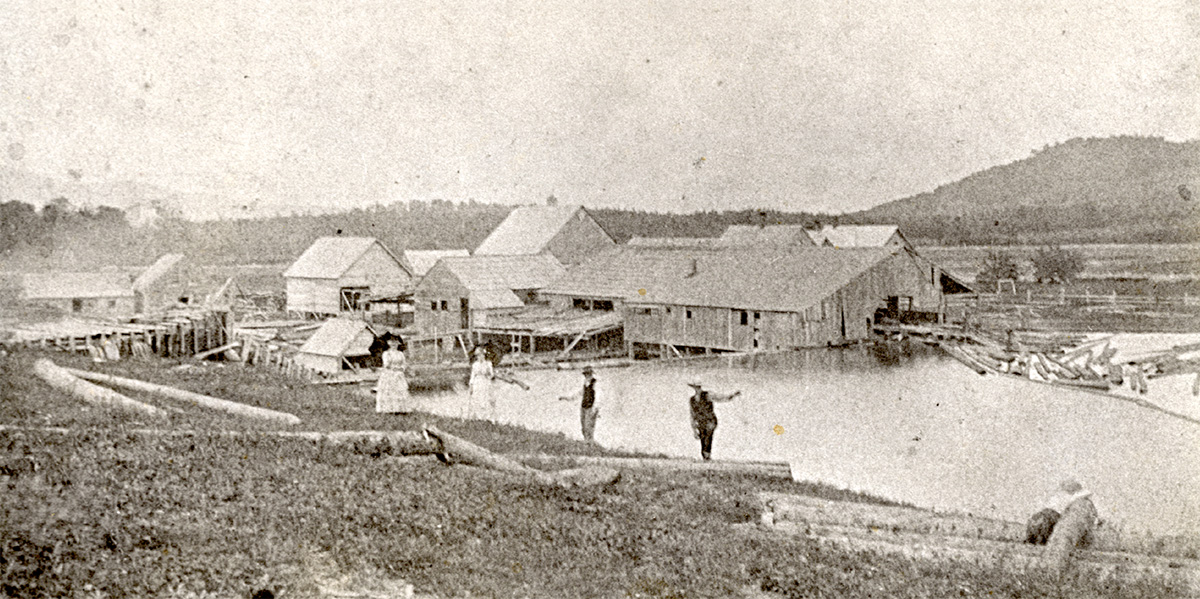
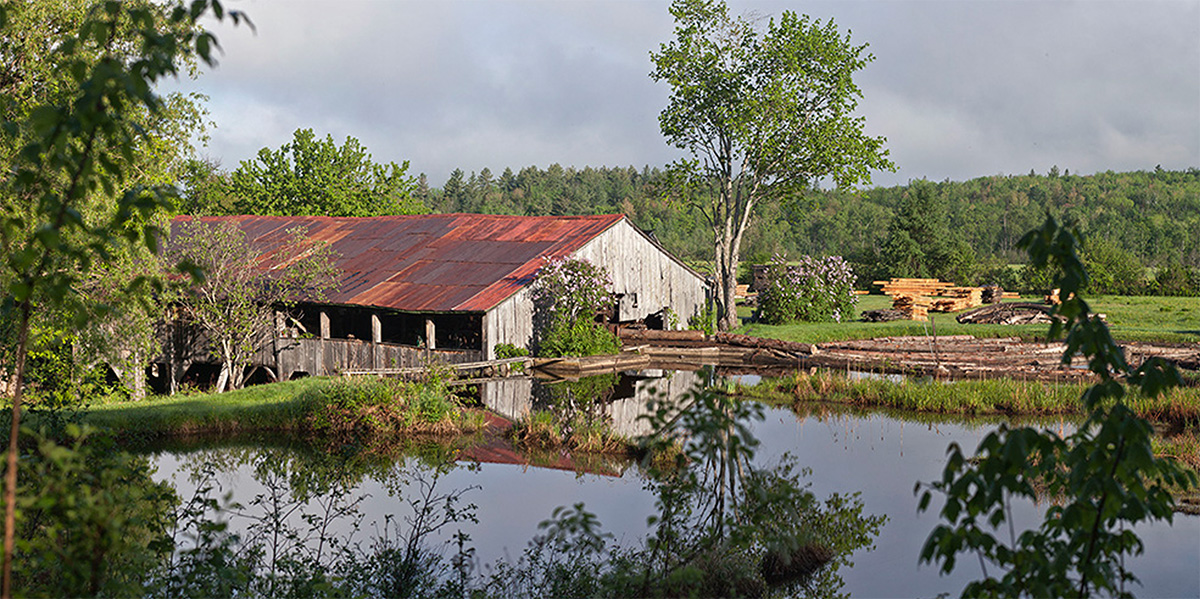
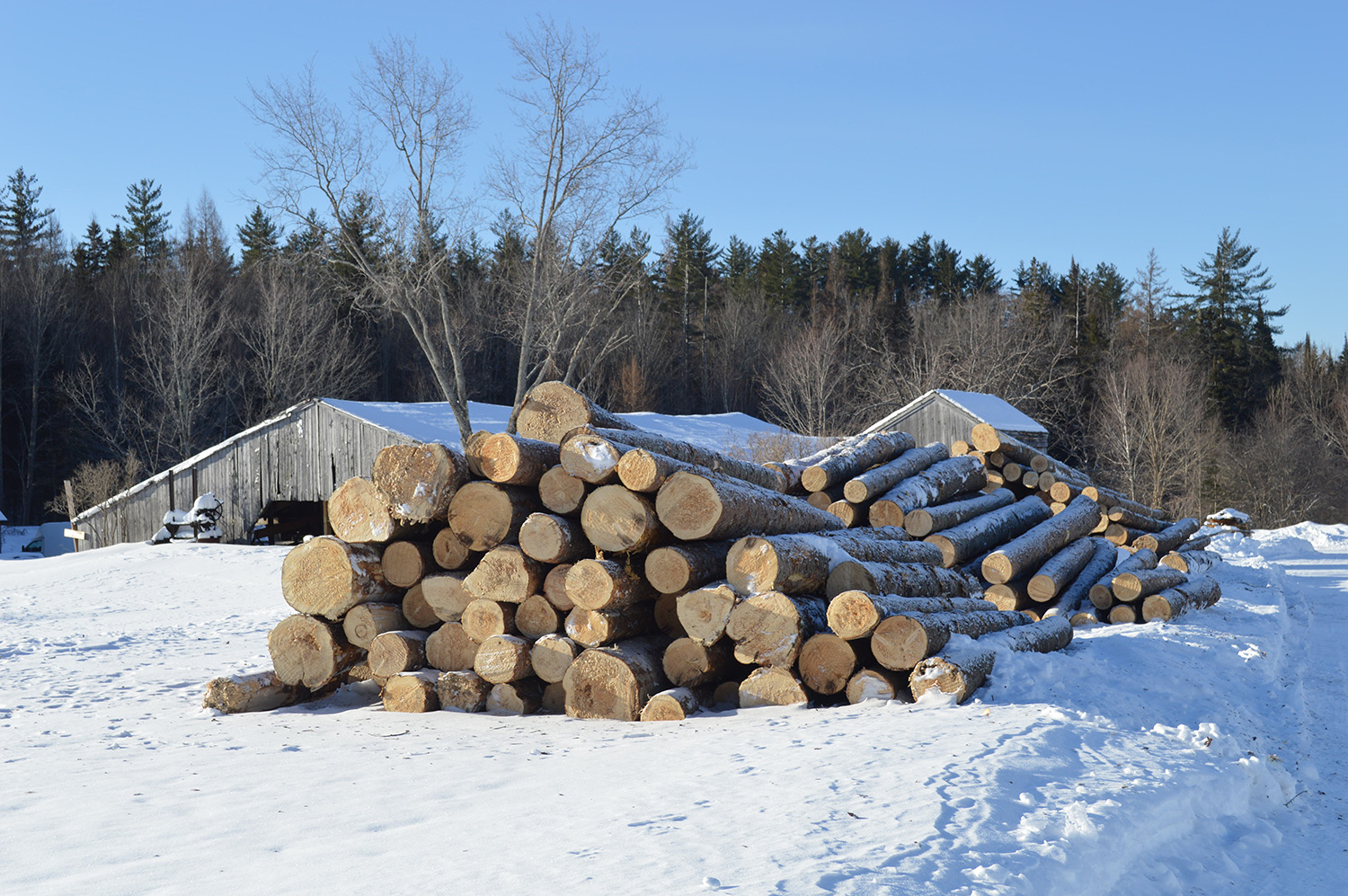
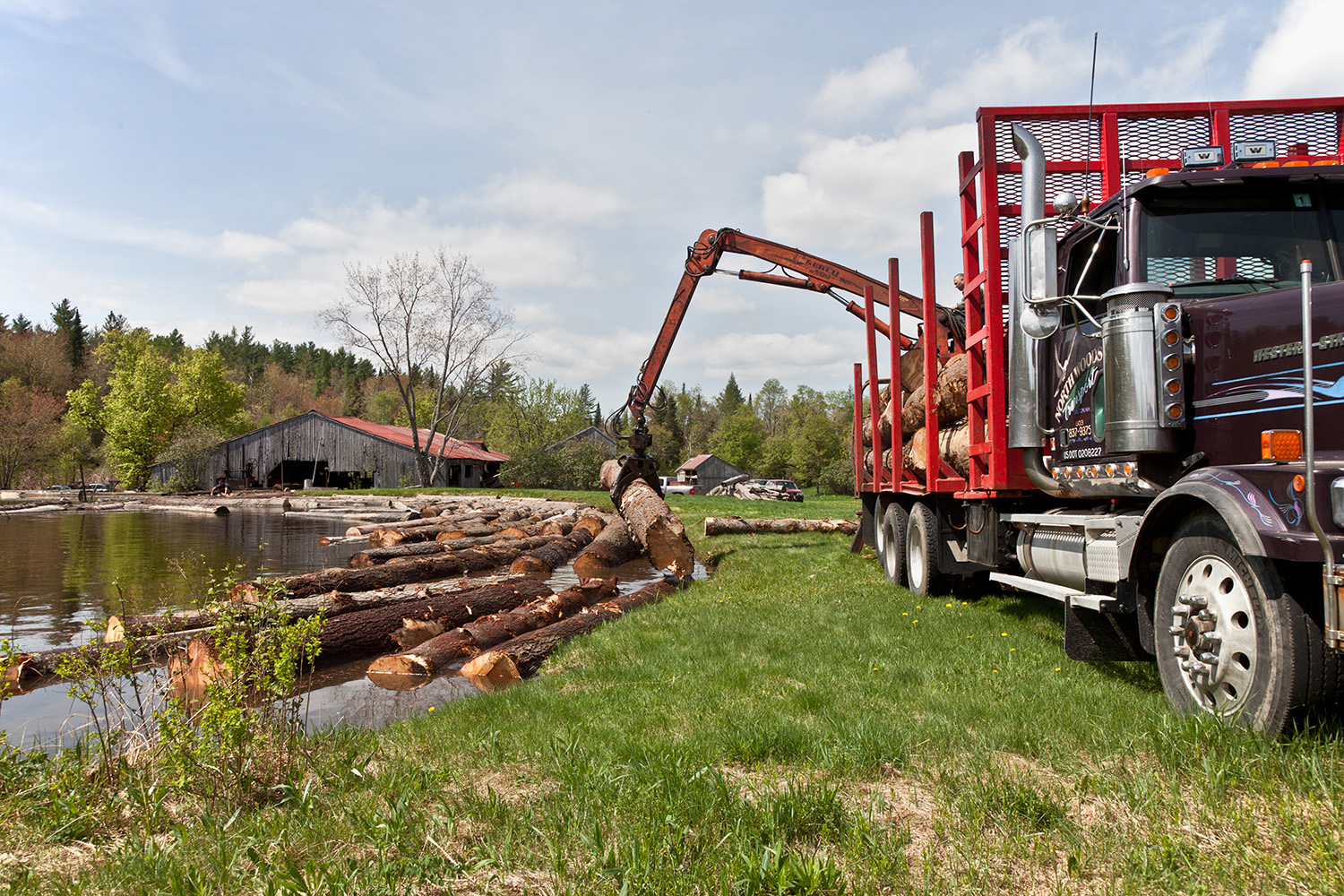
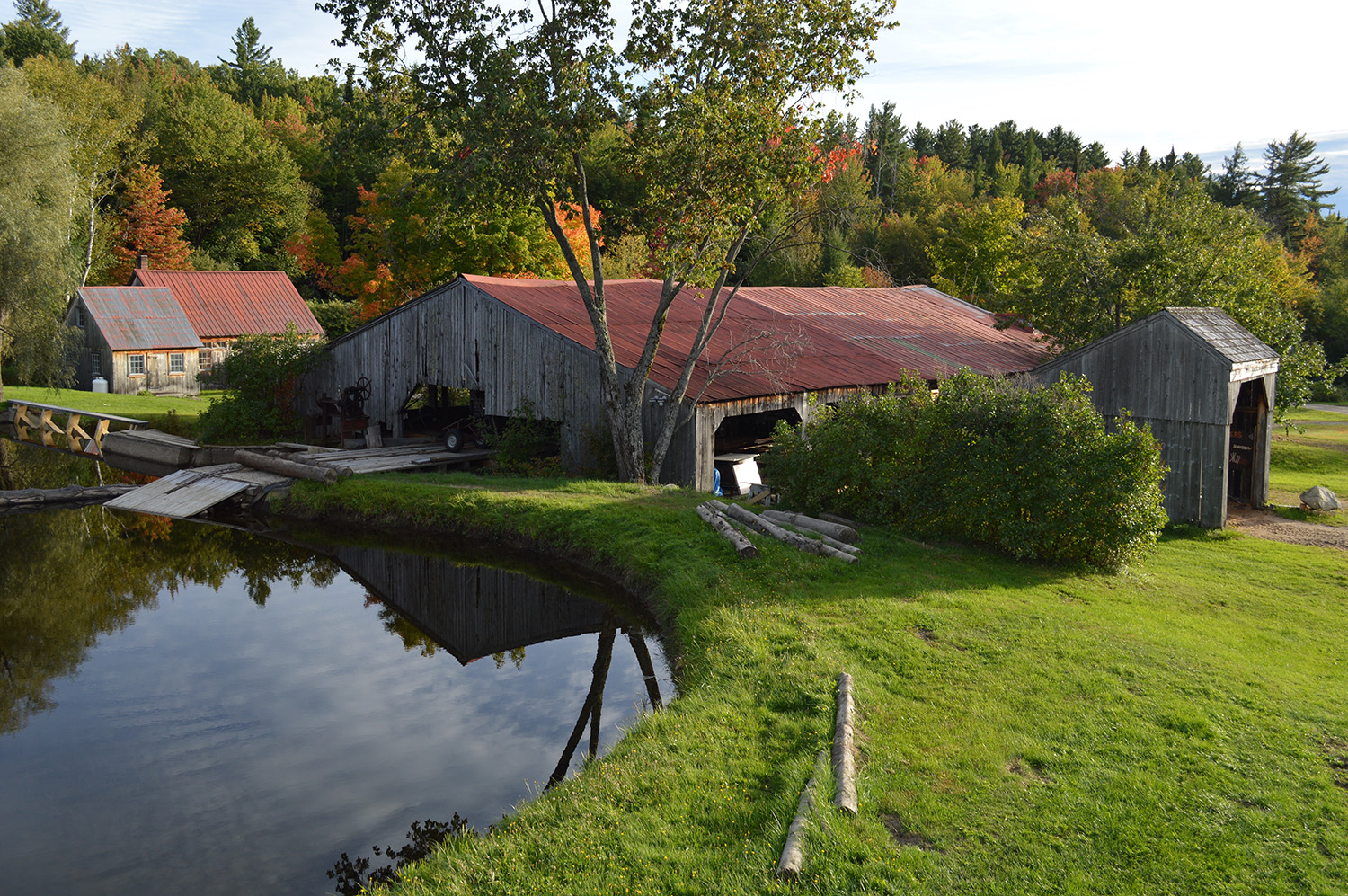
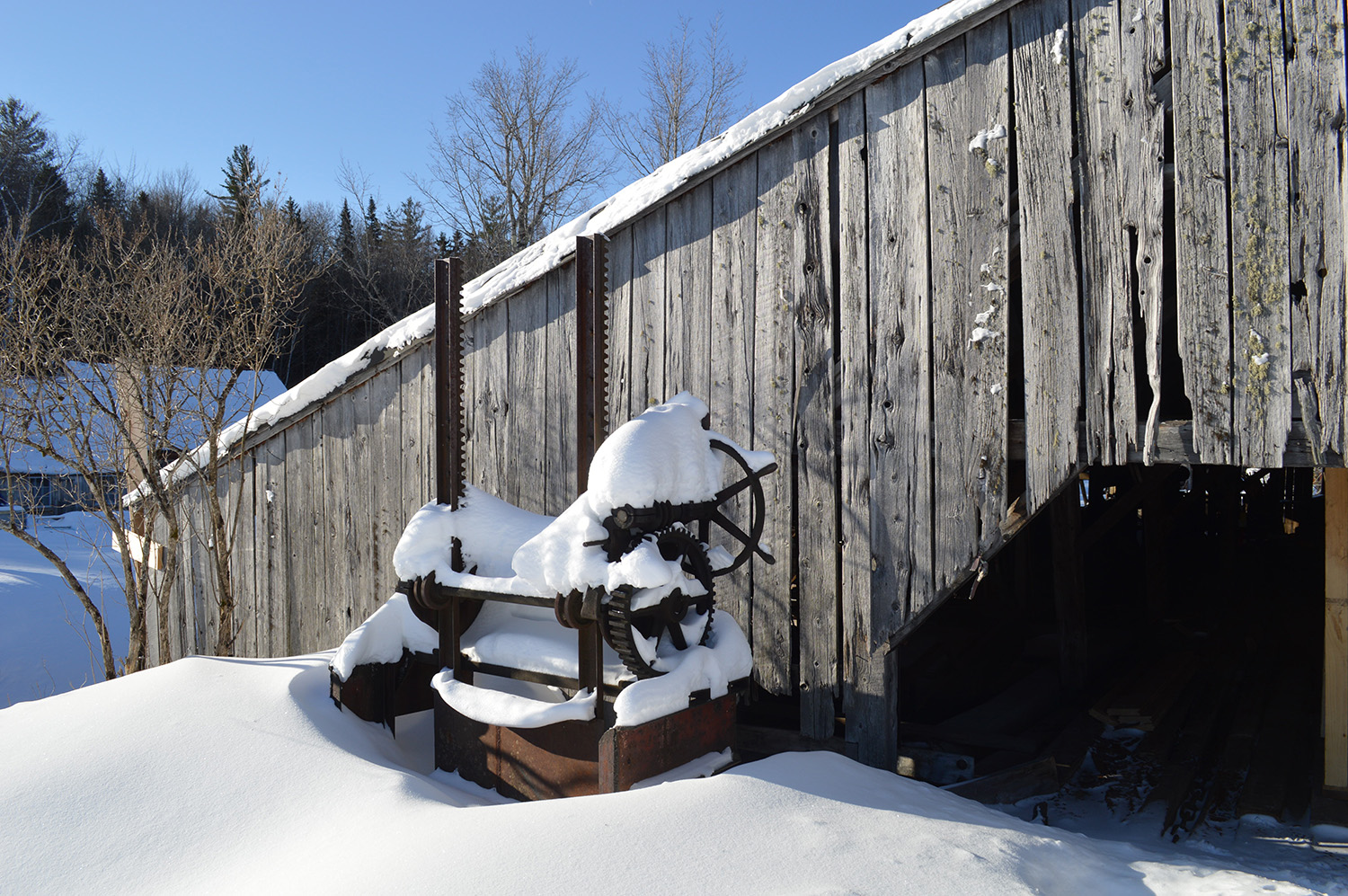
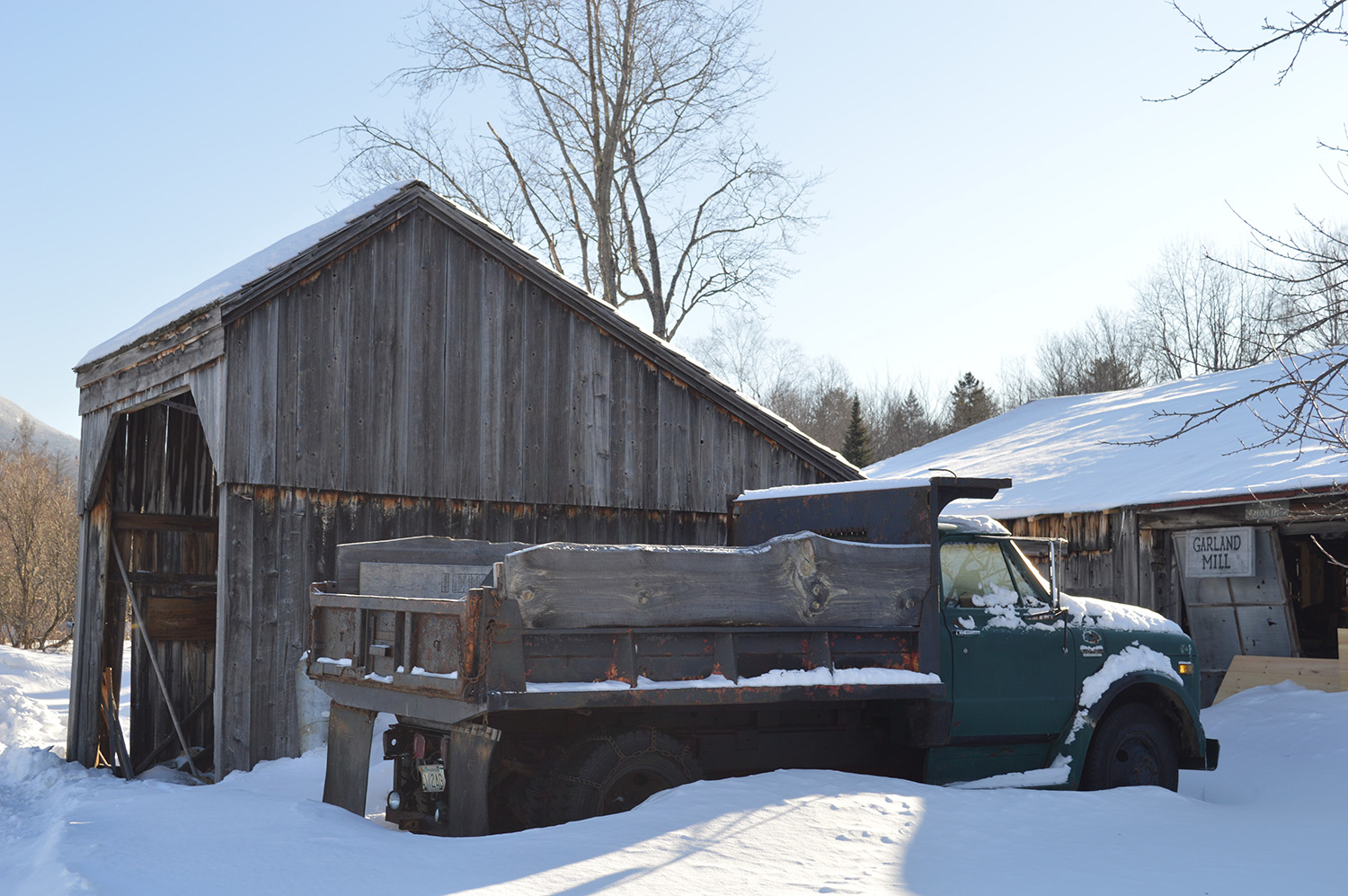
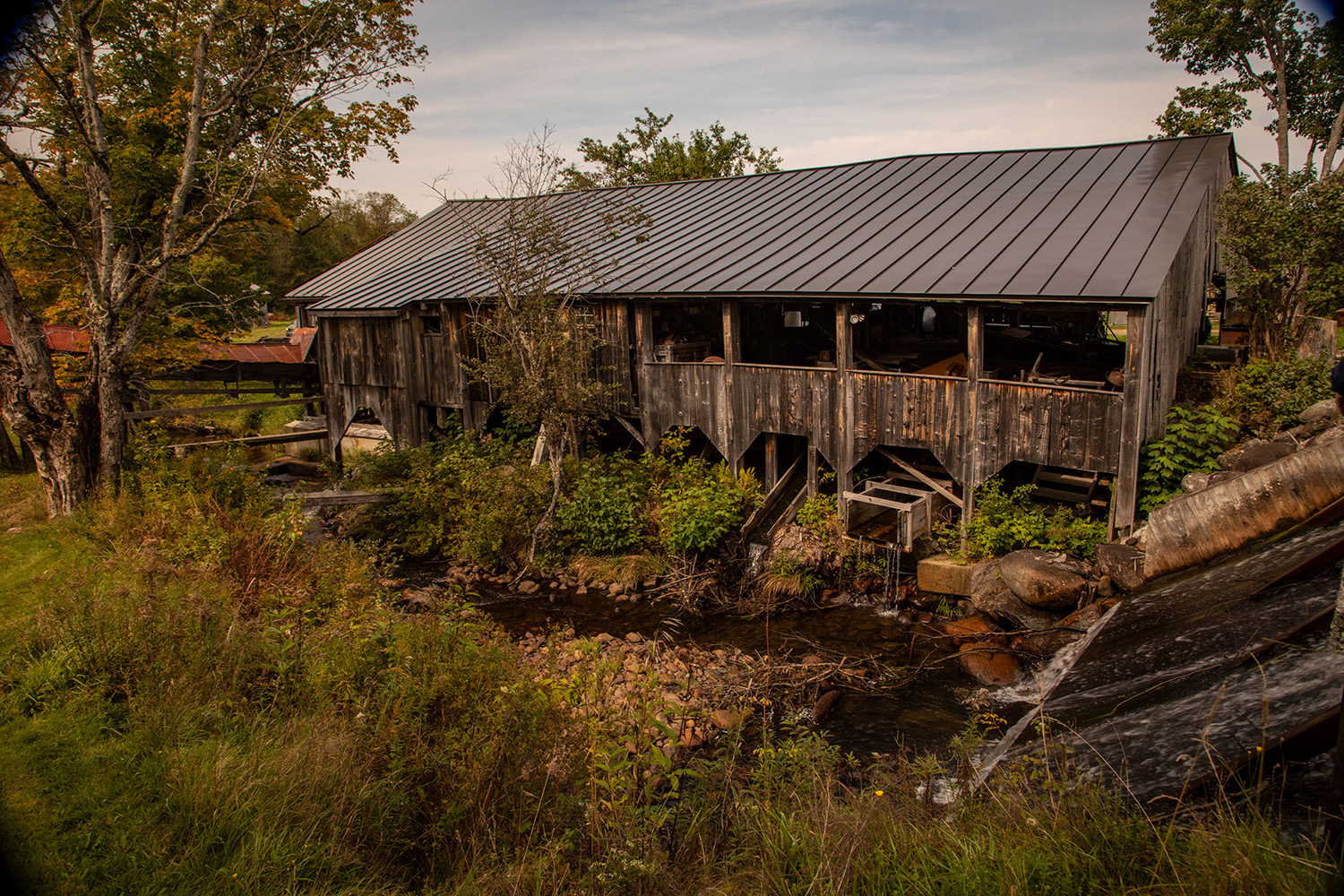
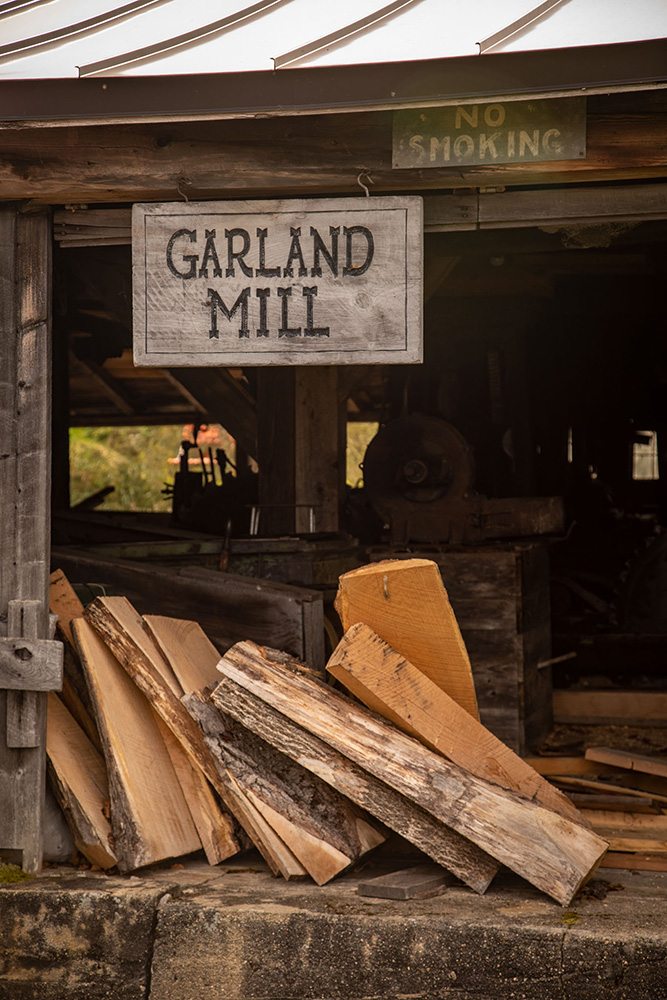
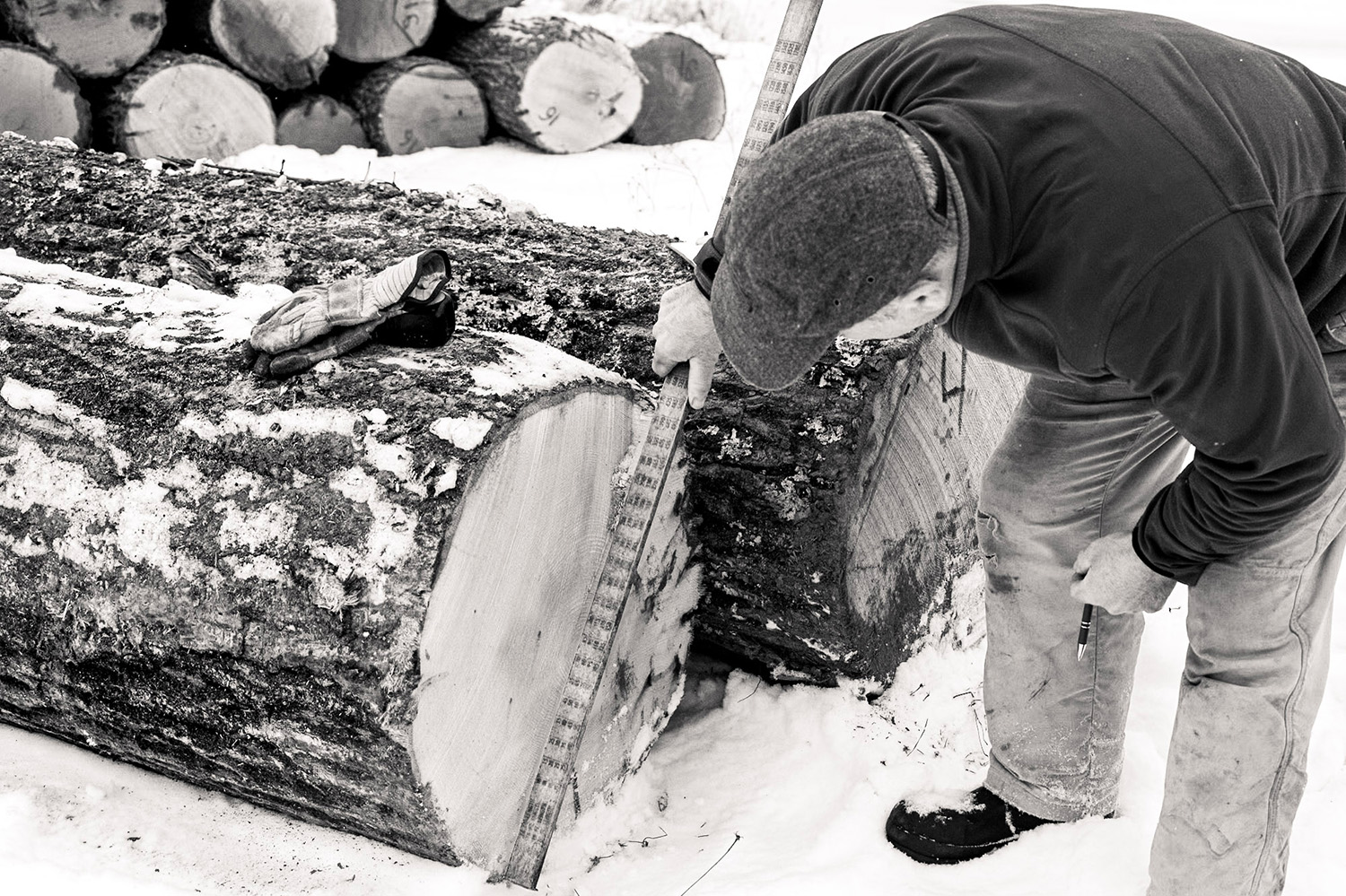
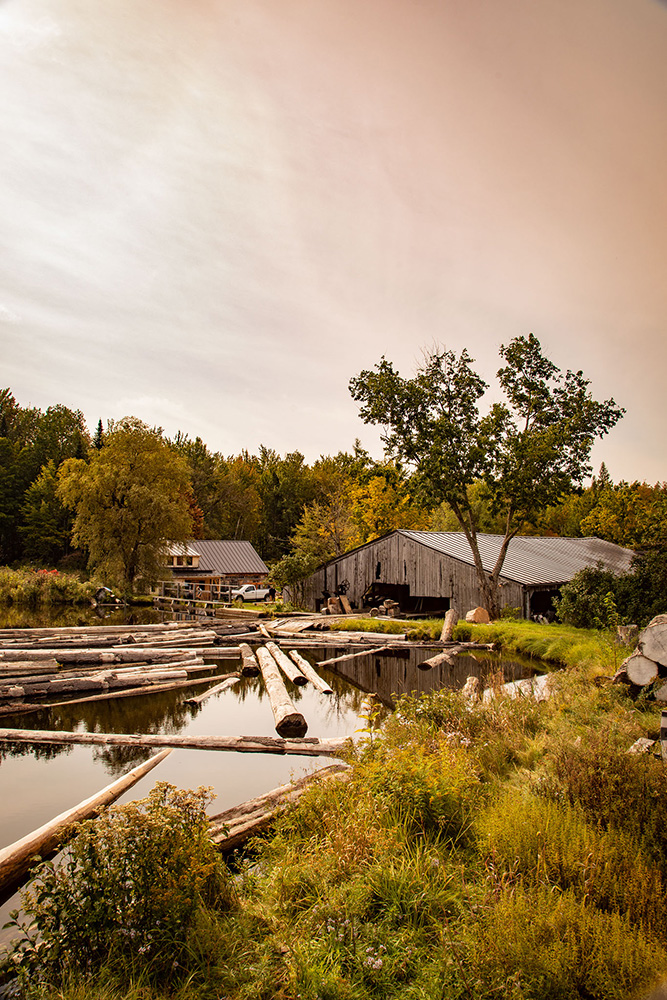
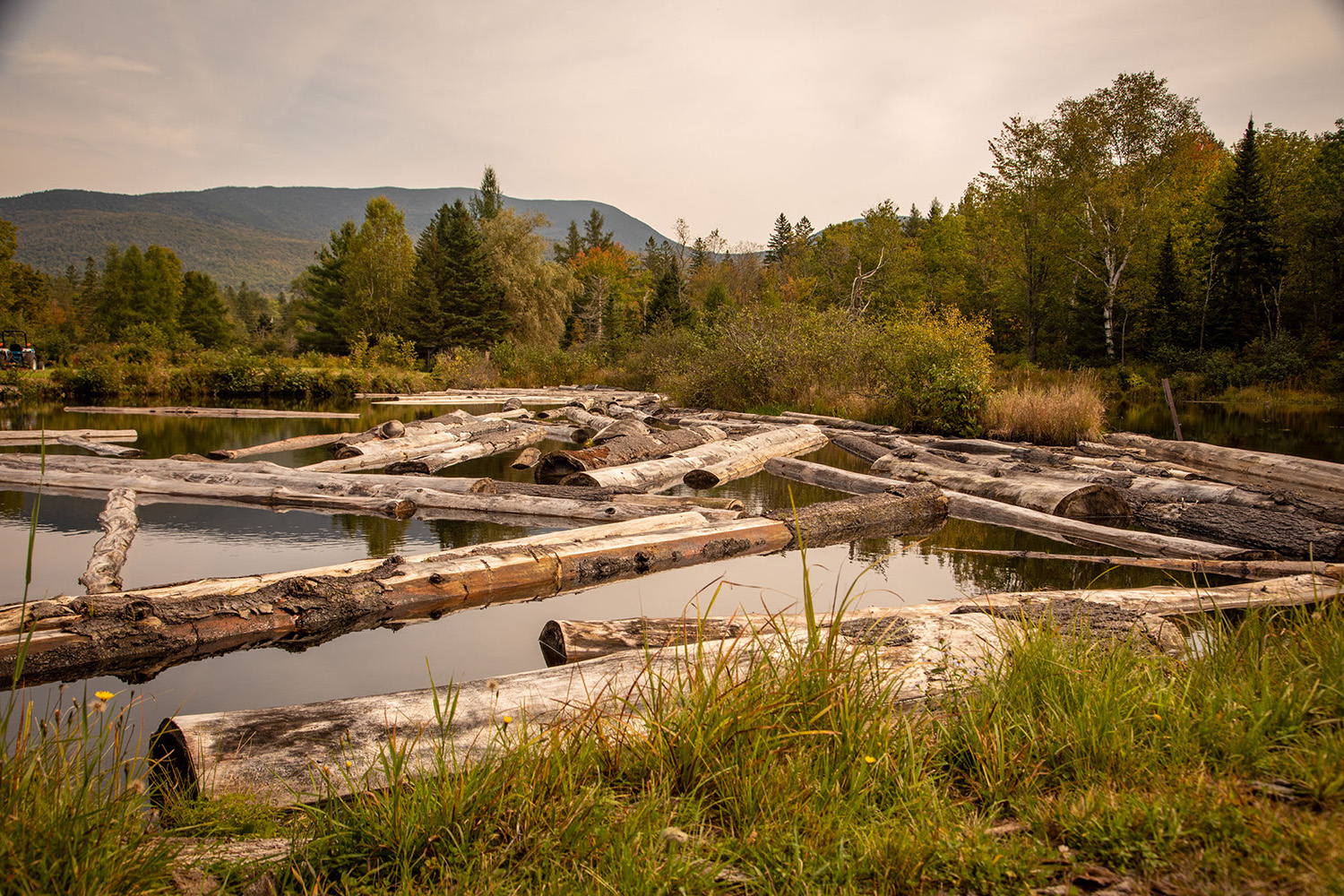
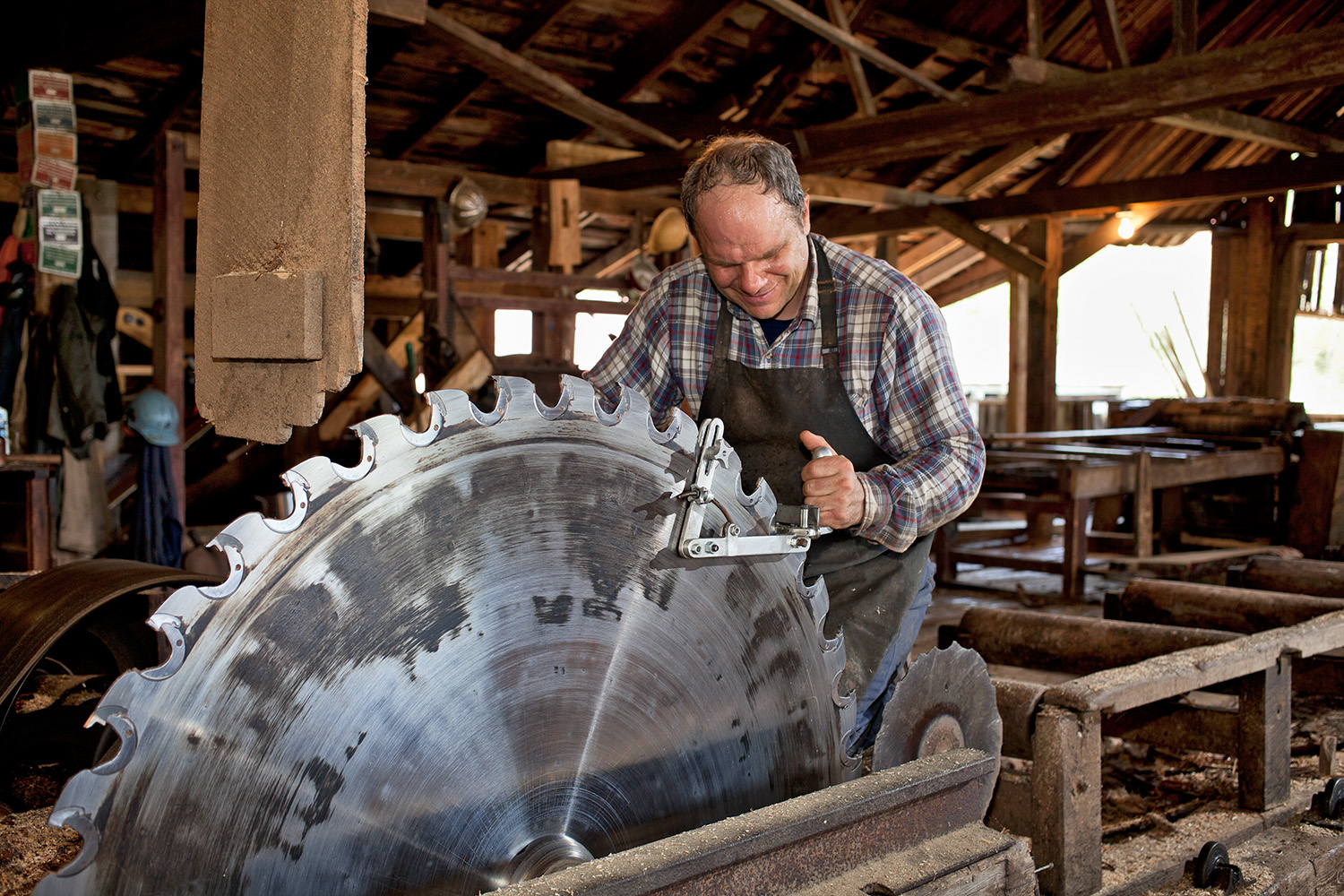
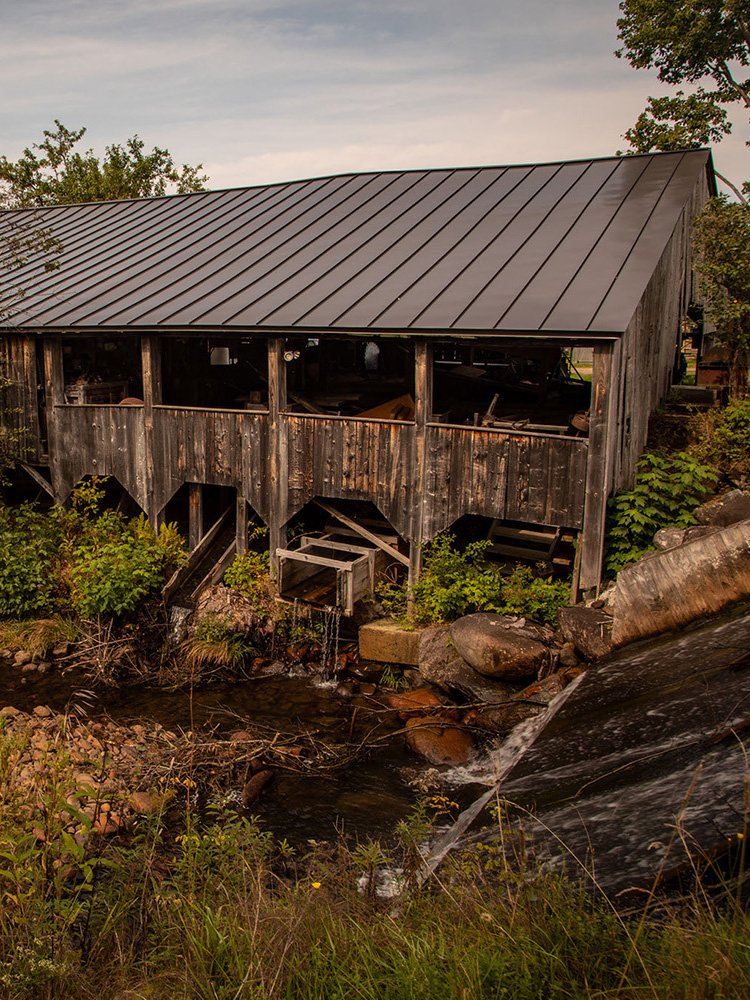
The Garland Mill is a curious specimen–a small sawmill, still powered only by water and trying to stay relevant in this era of laser-guided bandsaw mills, 3D structural printers, and artificial intelligence. It’s also the pre-Civil War cornerstone of our timber framing business. Listed in the National Register of Historic Places, the mill has been in continuous commercial operation since it was built in 1856, and produces timbers and boards much the same as it did five years before Abraham Lincoln became president.
Three sets of multi-generation family owners (Garlands, Aldens, Southworths) later, the mill continues to rumble and whirr with productive zeal. An estimated thirty-two and a half million board feet of lumber and timber have been sawn by water power over the past 168 years. Same analogue machinery, same stubborn determination, same seasonal operation at the convenience of Mother Nature. Onward!
The Garland Mill circa 1880 and still at it almost 17 decades on.
More About the Mill
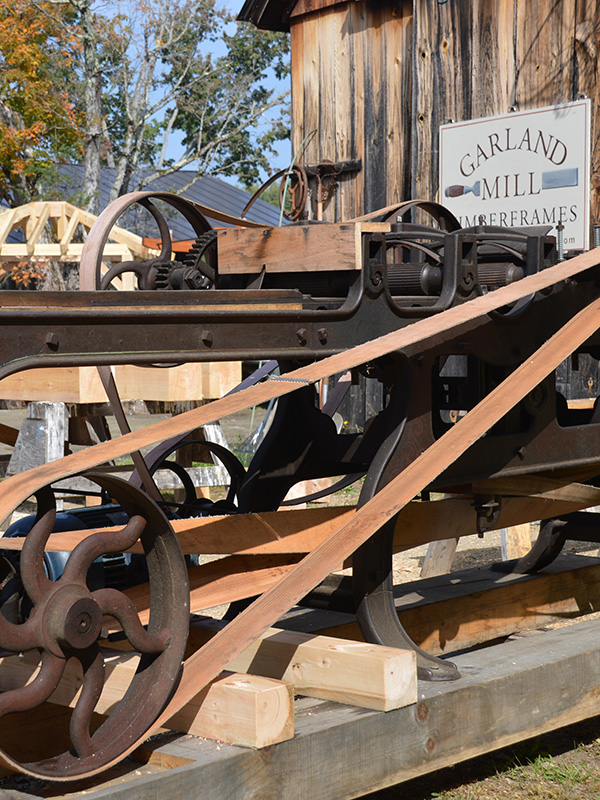
Garland Mill at 160
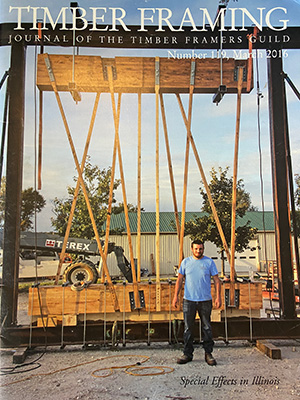
Timber Framing Magazine
Number 119, March 2016
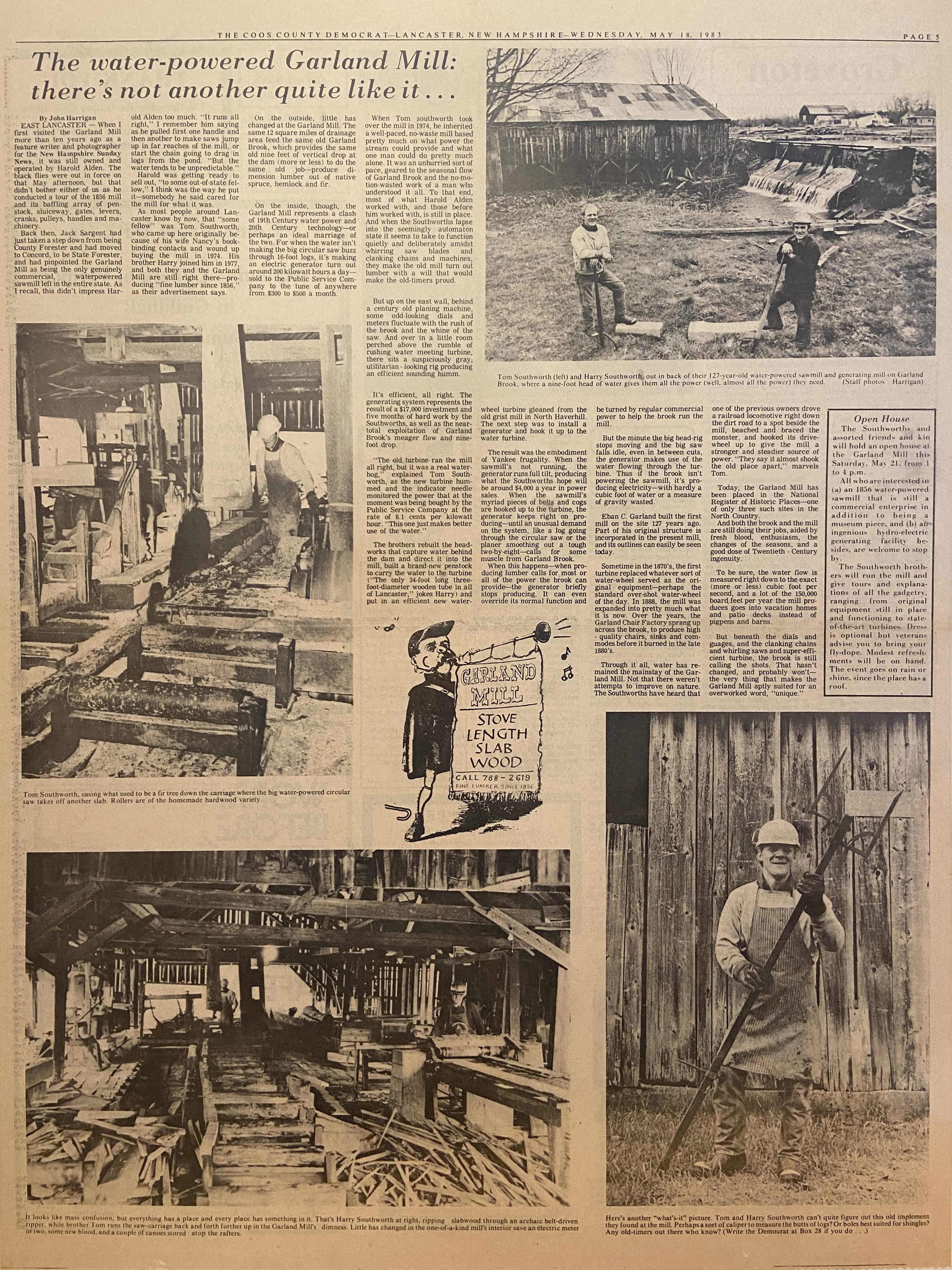
Coos County Democrat
Lancaster, New Hampshire
May 18, 1983
north of the notches
New Hamphire PBS (1996)
15:58 into the video.
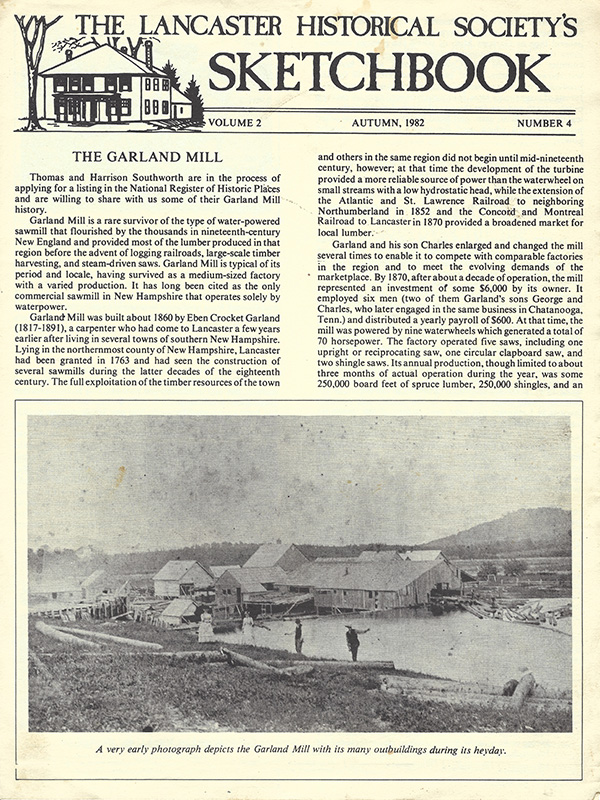
Lancaster Historical society
Sketchbook
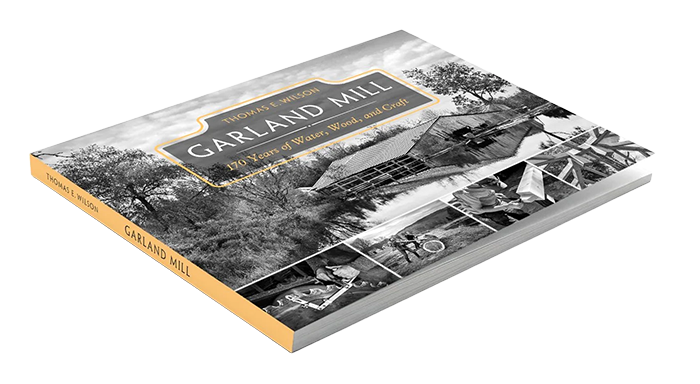
Garland Mill: 170 Years of Water, Wood, and Craft
By Thomas E. Wilson
A photographic and narrative portrait of the last commercially operating water-powered sawmill in New England.